
三毛流浪记
“제4인뱅, 개인사업자 여신 비중 50% 이상 의무화해야”_我的网站

A | 제4인터넷은행의 역할 2차 토론회인뱅3사 개인사업자 대출 8% 그쳐자본금보다 CSS 기술력 심사해야제4인터넷전문은행 인가 조건에 개인사업자 여신 비중을 50% 이상으로 못 박아야 한다는 제안이 나왔다. 자본금 규모 대신 대안신용평가(CSS) 기술력을 심사의 중심에 놓자는 요구도 함께 제기됐다.▶ “개인사업자 여신 50% 이상, 인가 조건으로 명시해야”=26일 금융권에 따르면 25일 국회에서 열린 ‘소상공인 금융혁신과 제4인터넷전문은행의 역할’ 정책토론회에서 이종인 미국 캐롤라인대 경영학과 교수는 신규 인가 심사 가이드라인에 ‘개인사업자 및 소상공인 대출 최소 비율’을 총여신의 50% 이상으로 설정하고, 이를 인가 승인의 명시적 부대조건으로 규정하자고 제안했다. 출범 이후 수익성을 이유로 주택담보대출·고신용 가계대출 중심 영업으로 회귀하는 구조를 사전에 차단하기 위해 가계대출 비중 상한선을 함께 두자는 안도 냈다.이 교수는 “소상공인 금융의 핵심은 자본의 절대 규모보다 차주의 사업성을 판별하는 기술력”이라며 CSS의 정교성과 비금융 데이터 결합 역량을 핵심 평가요소로 반영하라고 요구했다. 이커머스·전자지급결제대행(PG)·배달 플랫폼·공공 데이터의 가명결합 절차 간소화도 함께 제안했다.지난해 인가 불허의 직접적 사유였던 자본력 문제를 겨눈 제안도 나왔다. 인호 고려대 블록체인연구소장은 ▷600만 소상공인과 국민이 직접 주주가 되는 국민주 방식 공모 ▷소상공인 토큰증권(STO) 발행을 통한 소액·광범위 자본 조달 ▷디지털자산 업계의 은행 자본 참여 허용 등을 제시했다. 인 교수는 “자본 요건을 낮추자는 것이 아니라 자본을 모을 수 있는 방법을 넓히자는 것”이라며 최소자본금 기준의 구체화와 단계적 인가·조건부 이행관리를 함께 강조했다.▶“기존 인뱅 여신 93%가 가계대출…구조적 미스매치”=이런 요구의 배경에는 기존 인터넷전문은행 3사의 여신 편중이 자리한다는 지적도 나왔다.이 교수는 “지난해 말 기준 인뱅3사(카카오뱅크·케이뱅크·토스뱅크) 합산 가계대출 잔액이 약 74조9000억원인데 개인사업자대출 잔액은 약 6조8000억원으로 비중이 약 8%에 그친다”며 “전체 인터넷은행 여신의 90% 이상이 주담대를 비롯한 가계대출에 편중돼 있는 구조적 한계를 벗어나지 못했다”고 지적했다.인 소장도 “인터넷은행은 중·저신용자 대출 비중 30%라는 포용금융 지표는 달성했지만 그 포용이 개인사업자 영역까지 닿지는 못했다”며 “담보·보증 중심 심사 체계이기 때문에 소호 특화 신용평가는 초기 단계에 머물러 있다”고 꼬집었다.소상공인 CSS는 이미 검증 단계에 접어들었다고 설명한 권오형 윙크스톤파트너스 대표는 “윙크스톤파트너스는 개인사업자 신용조회 100만명 이상의 데이터를 확보했으며 대출 손실률은 2% 수준”이라며 “비대면 자동심사를 기반으로 중·저신용 소상공인에게 연 8~12%대 중금리를 제공하고 있다”고 말했다.금융당국은 취지에 공감하면서도 신중한 태도를 유지했다. 이종진 금융감독원 은행감독국 총괄팀장은 “사업모델이 경기에 민감해 위험이 커질 수 있는 만큼 실제 혁신 모델인지, 지속적으로 수익을 창출할 수 있는지, 은행 건전성이 훼손되지 않는지를 종합적으로 살펴봐야 한다”고 했다.박성빈 금융위원회 은행과 사무관 역시 소상공인 금융 공백에 공감을 표하며 “은행과 저축은행, 상호금융 등 전 업권이 참여해 소상공인 전용 특화 신용평가모형을 8월부터 시범운영할 예정”이라고 말했다. 정호원 기자。

B |
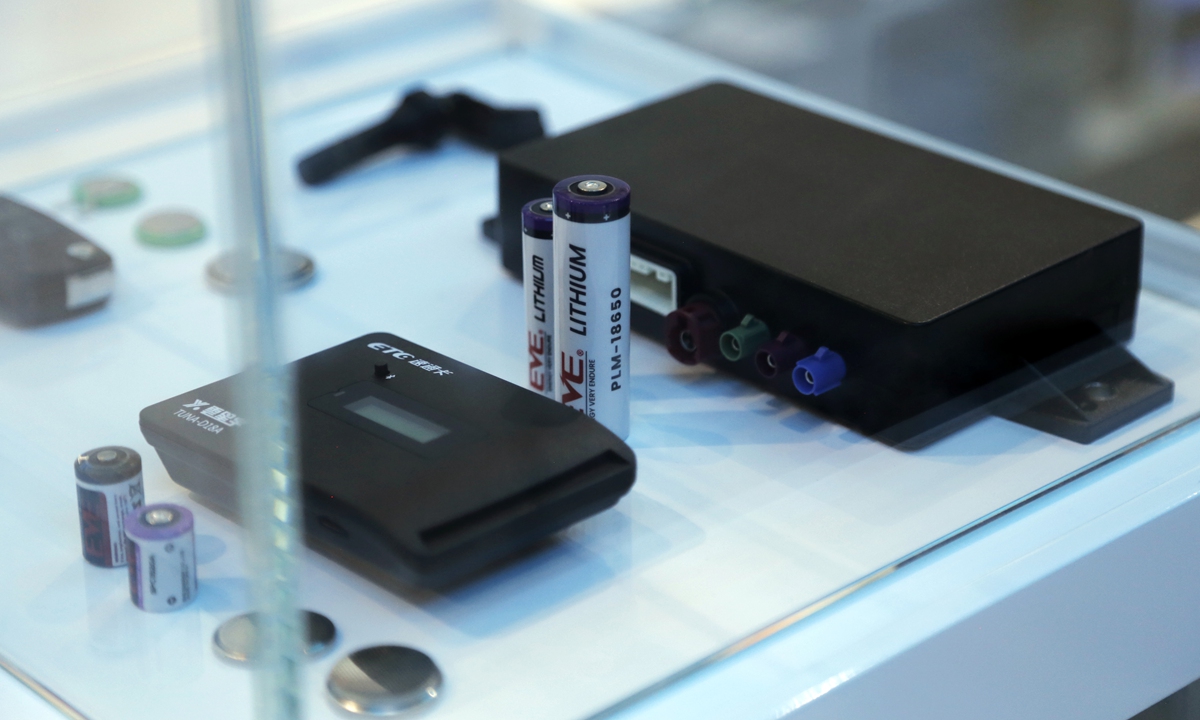
A research team led by Chen Zhongwei at the Dalian Institute of Chemical Physics under the Chinese Academy of Sciences developed a 25-ampere-hour pouch-type lithium-metal primary battery. Tests conducted by the safety laboratory of the China Electronics Standardization Institute showed that the battery achieved an energy density of more than 750 Watt-hour per kilogram at a low discharge rate, according to the report.
Meanwhile its discharge rate can be increased by up to 100 times, enabling short bursts of high-current discharge at 10C. The "C" stands for C-rate, which is the charge and discharge rates of a battery. According to sector website Battery University, the capacity of a battery is commonly rated at 1C, meaning that a fully charged battery rated at 1Ah should provide 1A for one hour. The same battery discharging at 0.5C should provide 500mA for two hours, and at 2C it delivers 2A for 30 minutes.
The new battery puts China among the world's leading players in high-power primary battery technology.
Primary batteries offer high specific energy, long storage times and instant readiness, allowing them to be used immediately even after long storage.
Primaries play an important role, especially when charging is impractical or impossible, such as in military combat, rescue missions and forest-fire services, the article said.
Traditional lithium primary batteries can store large amounts of energy for long periods, but their ability to rapidly release that energy can be limited. The new battery is designed to combine high energy density with high power output, allowing it to both operate for extended periods and provide large amounts of power when needed.
The battery can deliver short bursts of high-current discharge at up to 10C and sustain discharge at 4C. At room temperature, its specific power reaches 4,487 Watts per kilogram, according to Science and Technology Daily.
The battery also maintains strong performance under extremely cold conditions. At -40 C, the battery retains an energy density of 447 Watt-hour per kilogram at a 1C discharge rate. Its annual self-discharge rate is below 1 percent, meaning that it loses relatively little stored energy during long periods of standby.
Such characteristics could make the battery suitable for equipment that needs both long-term energy storage and sudden high-power output, including drones, robots, spacecraft and sensors deployed in remote areas.
Chen said the team achieved a breakthrough in cathode materials by developing a high-entropy oxide material and has established a pilot production line with an annual capacity of 10 tons, linking material development with battery-cell production.
The battery has passed third-party testing and is now undergoing further validation for applications including drones, robots, spaceflight simulators and field sensor nodes, according to Chen.
Global Times
。
Current article:http://5565on.cuozubeishenjingli.cfd/list_ldz/yvp.html
Published on:12:51:36
我的网站相关阅读
- HWG!47岁皮尔洛即将上任意大利主帅
- 神龟谢幕! 威少宣布退役 18载辉煌生涯画上句号
- 网易严选推出带薪宠物陪护假:宠物因健康原因需陪护 可申请休假
- 你的三国账号要变了?老玩家注意!阿里旗下游戏业务大变动
- 报告称县域市场已成为中国零售增长的重要引擎,报告称县域市场已成为中国零售增长的重要引擎
- Iran imposes sanctions on British officials for 'backing terrorism'
- 近20年最严重地磁风暴来袭!奥克兰爆现极光……
- 50,000 Australians Warned to Evacuate as Flood Emergency in Sydney Worsens
- 郑州银行:申学清辞去行长职务,拟聘任赵飞为行长_公告_河南
我的网站最新文章
- 特朗普私人飞机视频泄露,女助理翘脚听歌
- 三姐妹自愿放弃继承将已故父亲房产留给母亲,母亲却把房子“卖”给大女儿,三姐妹因此吵翻拒付赡养费,法院出手
- 售53.66万元起 长城G系列混动重卡G1050正式上市
- 重庆一网民造谣家家有猎枪 被处罚
- 中国队主场吞下败仗!男单、女双首轮爆冷输球,恐难再现4冠荣耀
- Bihar Politics: फ्रंट सीट से राहुल गांधी ने युवाओं को दिया 'फ्रंट' का मैसेज, 4 सीटों पर फील्डिंग सेट
- 阿勒代斯:我认为阿森纳能够卫冕英超 曼城正在经历重建
- 沈梦露加盟凯尔特人女足
- 易县太行水镇附近民宿怎么选不踩坑?过来人整理选房逻辑与靠谱方向
- 谨记安全驾驶!这个假期已有10人因车祸死亡
- G7 Idea of Capping Russian Oil Price Will Not Work for Lack of Authority on Market, Prof. Says
- 大乐透第26090期开2注一等奖
- 上海:扩大铜、铝等重点金属品类交易规模,加快健全锂、钴、镍等新兴金属期货品种序列
我的网站随机推荐
- 河北辛集:文明七夕树新风 公益红娘助良缘
- 中国传媒大学13日全面启动线上教育教学_工作_李众
- “最忠诚下属”反水,特朗普封口费案“灾难性”细节曝光!
- New Zealand mayor's ‘China‑inspired’ solar project highlights potential for cooperation
- 未来三天 “紫檀”“沙德尔”将给南方带来强降雨
- 重磅!3D狂欢启动,80元赠票等你领,四城联动燃爆夏日!
- 许家印:9月30日前全面复工_恒大:38个未复工项目9月30日前复工_清盘
- 杭州如何下好服务业发展的“先手棋”?
- 合法上路的勒芒赛车!仅1台 保时捷963 RSP预告 预计6月14日首发
- 得物选购页面冲突买错大疆相机客服专员都不解决
- Birkenstock goes public on New York Stock Exchange
- 影响市场重大事件:NTN卫星通信先锋行动正式启动;国内首款硬膜下植入式柔性脑机接口进入“绿色通道”;水利部到2035年基本形成完备的水利遥感卫星应用体系
- 一个月两次出手!京东再度驰援广西 无需汇报直接开仓救灾